Cover explained
Insurance for vending machines in Australia
Two policies do the heavy lifting for an Australian vending route: liability cover that protects you when someone is hurt or made ill, and property cover that protects the machines themselves.
Insurance for vending machines is really two separate jobs bundled into one conversation. The first job is liability: if a machine tips, leaks, scalds, shocks or dispenses a product that makes someone unwell, the injured person can pursue you — the operator — not the site owner. The second job is property: the machine is a capital asset sitting unattended in a public place, exposed to vandalism, theft, water damage, power surges and transit accidents. Australian operators who only buy one of the two usually discover the gap at the worst possible moment.
Why site owners insist on it before a machine lands
Almost every commercial landlord, shopping centre, gym, school, club, hospital and factory in Australia now requires evidence of insurance for vending machines before a unit is wheeled through the loading dock. The request is nearly always for a certificate of currency showing public liability of $10 million or $20 million, with product liability included where food or drink is dispensed.
The reason is simple. The site owner's own policy protects the site owner. It does not protect your machine, your product or your maintenance work, and their insurer will look straight past them to you if a customer is injured. Requiring your certificate is how they push the risk back to the party who actually controls it.
What public and product liability actually covers
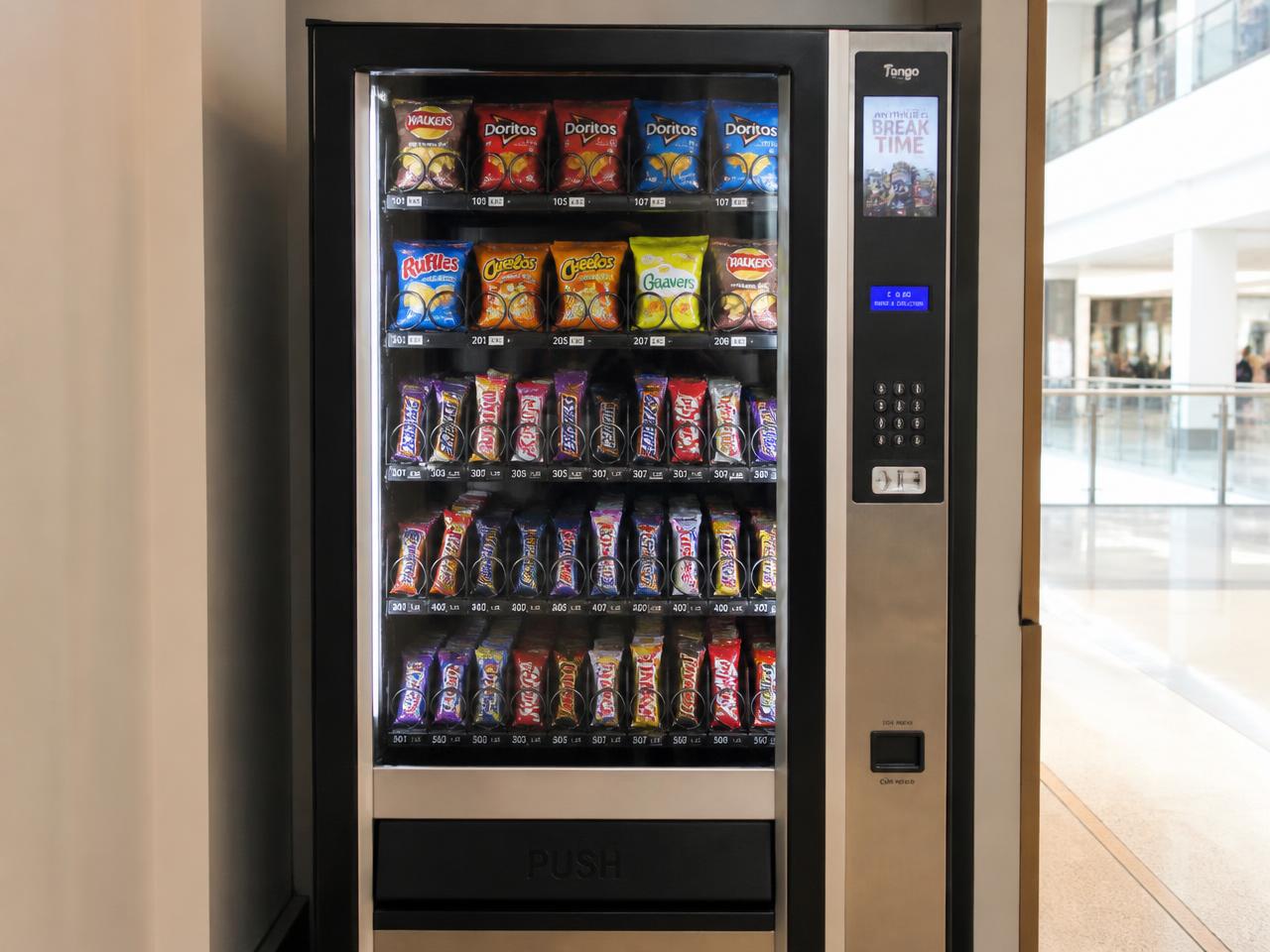
Public liability responds to third-party injury and third-party property damage arising from your business activities. For a vending route, that includes a machine falling on a customer, a child's fingers caught in a flap, a slip on water leaking from a chilled unit, a burn from a hot beverage machine, and damage you cause to the building while installing or servicing equipment.
Product liability responds when what you sell causes harm — spoiled food from a fridge that lost temperature overnight, an allergen labelling problem, a foreign object in a packaged snack, or contaminated water in a coffee unit. Because vending is a product business, liability without product liability is not a complete answer.
- Third-party injury claims and the legal costs of defending them
- Damage you cause to a client's building, floors or fittings
- Illness or injury caused by food and drink you dispensed
- Claims arising while you install, restock or service a machine
Machine, equipment and stock cover
The property side of insurance for vending machines is usually written as business property or portable equipment cover. You declare a total replacement value across the fleet and choose whether to include stock, cash floats and payment terminals.
Vandalism and theft dominate the claims we hear about — forced coin mechanisms, smashed glass fronts, machines toppled after hours at unsupervised street-front locations. Refrigeration breakdown and stock spoilage matter for chilled and frozen units, and transit cover matters every time you relocate a machine between sites.
- Accidental damage, vandalism and malicious damage
- Theft of the machine, its stock and its cash float
- Refrigeration breakdown and resulting stock spoilage
- Damage in transit between sites and during installation
How much cover Australian sites ask for
As a rule of thumb, $10 million public liability is the floor for small private sites — gyms, workshops, clubs and independent offices. Major shopping centres, universities, schools, health facilities, government buildings and large corporate towers ask for $20 million, and many want to be named on the certificate as an interested party.
Holding $20 million from the start saves re-issuing paperwork later, and the premium difference between the two limits is usually modest because liability pricing is driven far more by turnover than by the limit itself.
What it costs and what moves the price
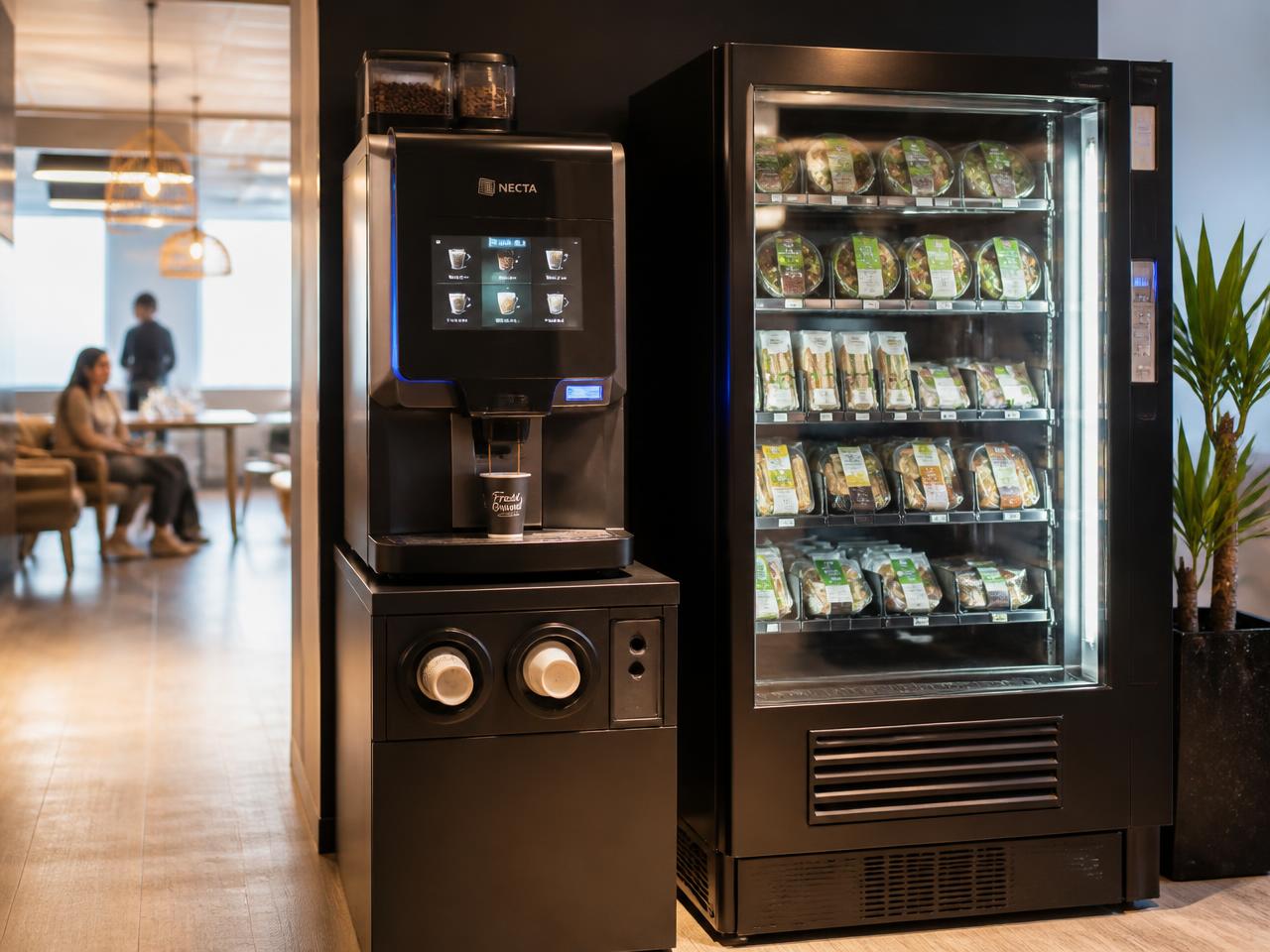
Premiums for insurance for vending machines move with annual turnover, the number and replacement value of machines, the machine mix, the type of sites you place into and your claims history. A small route with a handful of sealed snack machines and modest turnover sits at the bottom of the range; a large mixed fleet of hot beverage, refrigerated and combo units placed in high-traffic public locations sits higher.
The single strongest lever you control is a clean claims record, followed by sensible risk housekeeping: correctly anchored machines, temperature logs on chilled units, prompt repair of damaged glass and flaps, and a written placement agreement with each site.
How to arrange cover quickly
Have your ABN, annual turnover estimate, machine count and machine types, the states you operate in, the liability limit your sites demand and the total replacement value of the fleet ready before you start. With those six numbers, quoting takes minutes rather than days.
Complete the short assessment on this site and we pass your details to our licensed partner, BizCover, who can bind cover and issue your certificate of currency the same day in most cases. vendingmachineinsurance.com.au is a referral partner, not an insurer.
Common mistakes we see
Three mistakes come up again and again. Operators buy liability and forget property cover, so the machine damage they actually suffer is uninsured. They insure the machines and under-declare turnover, which can reduce a liability settlement. Or they let cover lapse mid-term and only notice when a centre manager asks for a current certificate before a peak trading period.
Diarise your renewal date, keep a PDF of the current certificate on your phone, and re-check the limit each time you win a larger site.
Frequently asked questions
- Is insurance for vending machines legally required in Australia?
- There is no law that forces a vending operator to hold public liability insurance, but in practice it is compulsory: site owners, centre managers, schools and councils make evidence of cover a condition of the placement agreement, so without it you cannot place machines in most commercial locations.
- Does the site owner's insurance cover my machine?
- No. The site owner's policy protects the site owner's interests. Your machine, your stock and any injury arising from your equipment or product remain your responsibility, which is exactly why they ask for your certificate of currency.
- Do I need product liability as well as public liability?
- Yes, if you dispense food or drink. Public liability answers injury and property damage; product liability answers harm caused by what you sold. Australian vending policies normally combine the two, and food-serving sites expect to see both on the certificate.
Get quoted for insurance for vending machines
Three short steps, about three minutes. We pass your answers to our licensed partner, BizCover, who can issue your certificate of currency — usually the same day. Prefer to talk it through? Call 0412 025 552.
Keep reading
VendingMachineInsurance.com.au (ABN 63 099 686 608) is a referral partner. We connect business operators with licensed Australian insurance providers, and we may receive a referral fee. We do not issue policies and we do not provide personal financial or insurance advice. Any information on this site is general only, does not take your objectives, financial situation or needs into account. Always read the relevant Product Disclosure Statement and Target Market Determination before deciding on a policy.