Complete guide
Vending machine business insurance in Australia
One page covering the whole picture — what to insure, how much cover sites demand, what it costs, and how to arrange it today.
Vending machine business insurance protects three things at once: the people around your machines, the machines themselves, and your right to keep trading at the sites you have won. Australian operators tend to arrive here with one of three questions — what do I actually need, how much cover will my sites demand, and how fast can I get a certificate. This guide answers all three, then shows what to have ready before you apply.
What a vending route needs to insure
Combined public and product liability sits at the centre of every vending program. It answers third-party injury, third-party property damage, and harm caused by the food and drink you dispense — the three claim types a route is most exposed to.
Around it sit property cover for the machines, stock, cash floats and payment terminals; workers compensation if you employ; commercial motor for the service vehicle; and optional business interruption for lost route income.
- Public liability — injury and property damage to third parties
- Product liability — illness or injury from what the machine dispensed
- Machine and equipment cover — vandalism, theft, accidental damage, transit
- Stock and refrigeration breakdown for chilled and frozen units
- Workers compensation, commercial motor and business interruption as needed
How much cover your sites will demand
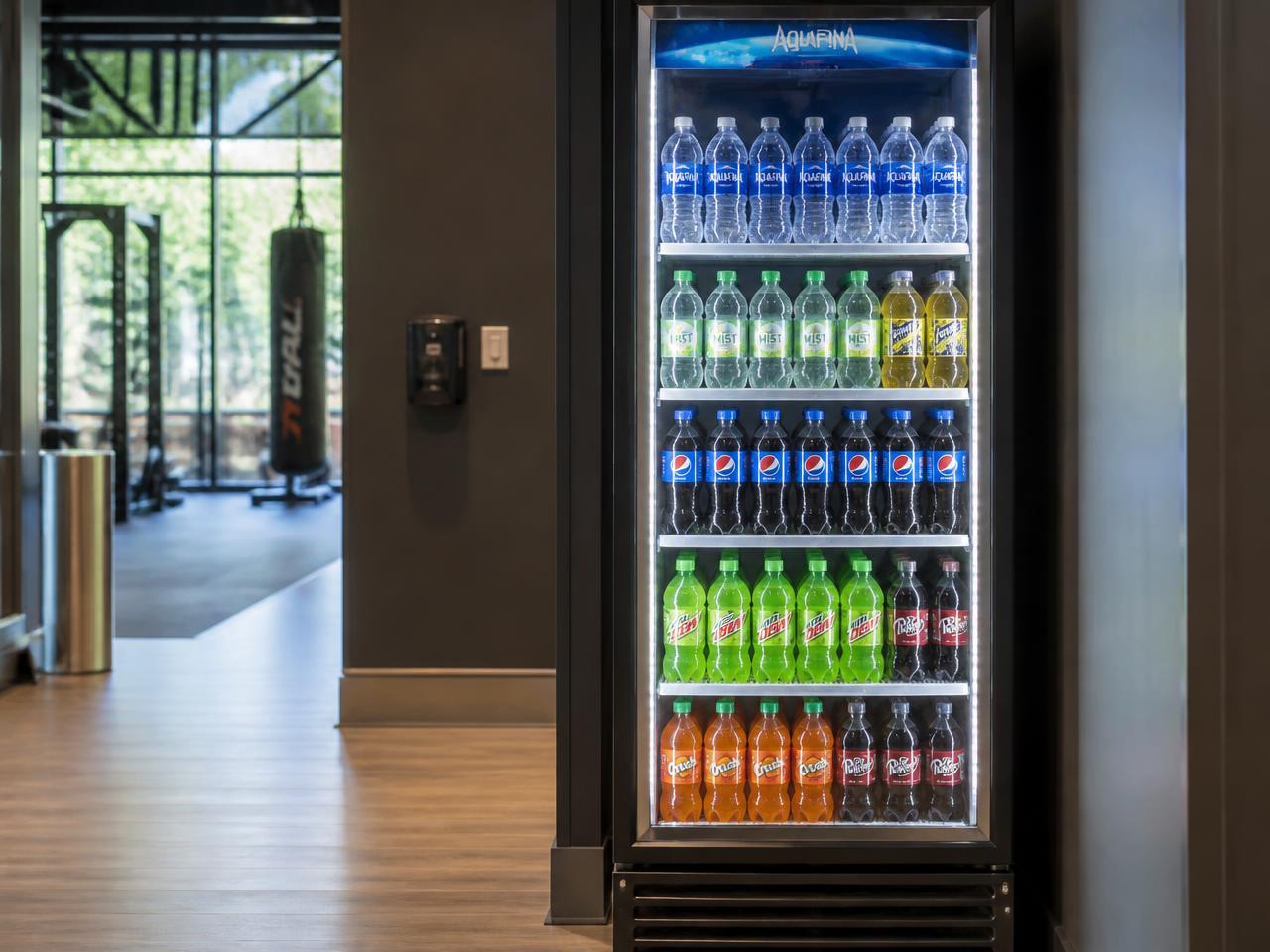
Ten million dollars of public liability is the floor and suits smaller private sites — gyms, workshops, clubs, independent offices. Twenty million is what shopping centres, schools, universities, hospitals, government buildings and large corporate towers ask for, and many also want to be noted on the certificate as an interested party.
Because the step up in premium is usually modest, most growing operators simply hold $20 million and avoid re-issuing certificates every time a bigger site says yes.
Machine types change the risk
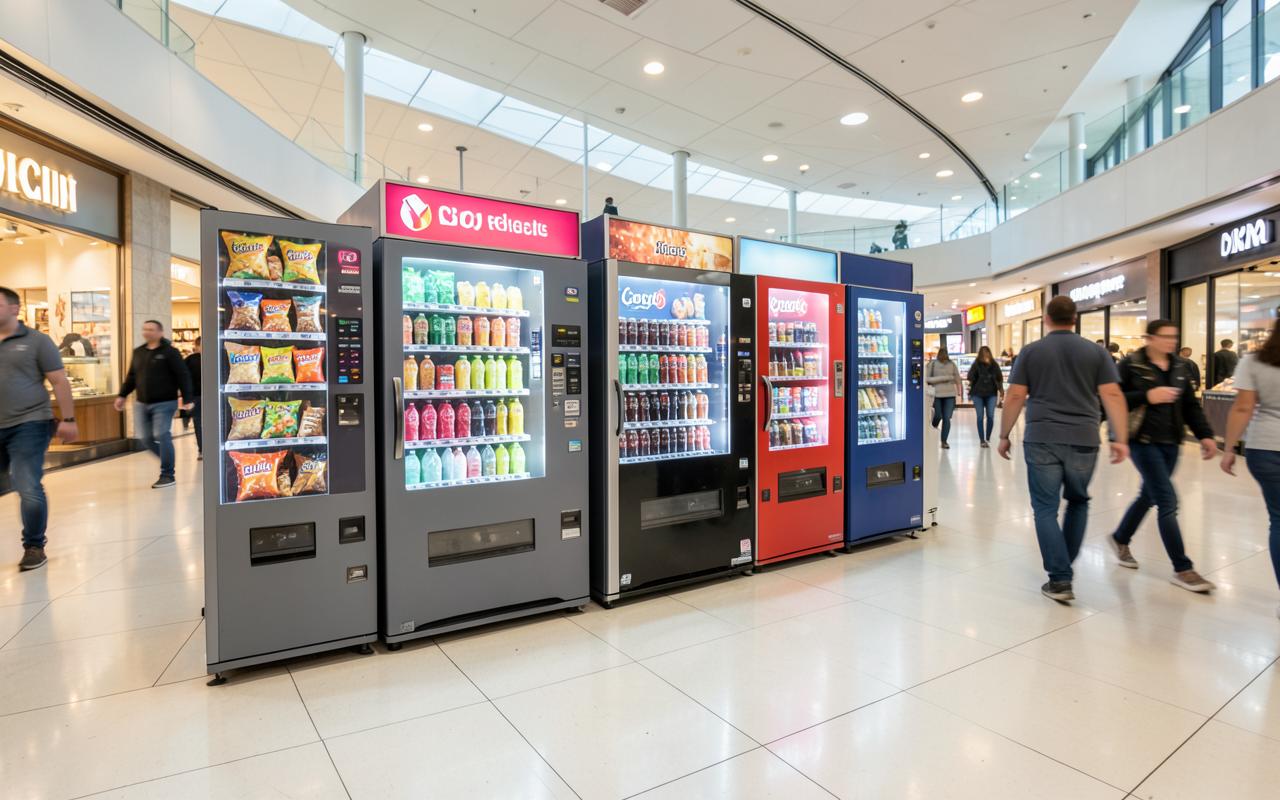
Sealed snack machines are the simplest risk: low temperature exposure, low product risk, mostly theft and vandalism. Drink and combo machines add refrigeration and heavier units. Coffee and hot beverage machines add scald risk, water connection risk and higher product liability sensitivity. Fresh food machines add temperature control and allergen labelling exposure.
Tell the insurer your actual mix. A fleet described only as "vending machines" is often rated conservatively, while an accurate mix can be rated properly and usually more keenly.
What vending machine business insurance costs
Liability premium follows annual turnover far more closely than machine count. Property premium follows the total replacement value you declare, adjusted for machine mix and the kind of locations you place into. A clean three-year claims record is the strongest single discount lever available to you.
Under-declaring turnover to shave premium is a false economy: it can reduce what an insurer pays on a liability claim. Declare honestly and revisit the figure at every renewal.
Certificates of currency and site paperwork
The certificate of currency is the one-page proof sites ask for. It shows the insured entity, the policy period, the cover type and the limit. Site managers check the name matches the entity on the placement agreement and that the period is current, so keep an up-to-date PDF on your phone and in a shared folder.
Larger sites may also ask for a safe work method statement, a contractor induction, food handling evidence and a signed placement agreement. Preparing that pack once makes every subsequent site faster to win.
Claims that shape the market
The losses we see most often are unglamorous: forced coin mechanisms and smashed glass fronts at unsupervised after-hours locations, water damage from a chiller left leaking overnight, stock spoilage after a compressor failure across a long weekend, and damage caused while relocating a machine between sites.
Injury claims are rarer but far more expensive, and they are the reason liability limits are set where they are. Anchoring machines correctly and repairing damaged flaps and glass promptly does more to prevent them than any policy wording.
Nationwide, and built by vending people
Cover is available for machines placed anywhere in Australia — NSW, VIC, QLD, WA, SA, TAS, ACT and NT — under one national program. This site was built by operators with more than twenty years in vending, because finding cover quickly used to be the hardest administrative part of the job. Complete the short assessment and your details go to our licensed partner, BizCover, who can compare insurers and issue your certificate. vendingmachineinsurance.com.au is a referral partner, not an insurer.
A checklist before you place your next machine
Vending machine business insurance works best when it is checked at the same moment the placement is agreed, not weeks later. Run this short list every time a new site says yes.
- Confirm the liability limit and any endorsements the placement agreement requires
- Check the insured entity name on your certificate matches the name on the agreement
- Add the new machine to your declared replacement value and machine schedule
- Confirm refrigeration or hot water exposure is reflected if the machine type is new to your fleet
- Note the finance provider on the policy if the machine is financed or leased
- Save the current certificate of currency to the site's folder and diarise its expiry
Where operators most often lose money
Three quiet mistakes cost Australian operators more than any headline claim. The first is an out-of-date machine schedule, which reduces a property settlement to the value that was declared rather than the fleet you actually run. The second is an understated turnover figure, which can reduce what a liability insurer pays. The third is a lapse between renewals, which can breach a placement agreement and hand a site manager a reason to remove your machine.
All three are administrative rather than technical, and all three are fixed with one diary reminder a month before renewal and one folder holding your schedule, certificates and agreements.
Frequently asked questions
- Is vending machine business insurance expensive for a small route?
- For a small route with sealed snack machines and modest turnover it is one of the cheaper business policies, because liability pricing follows turnover rather than machine count. Cost rises with hot beverage and refrigerated units and with higher-traffic placement locations.
- Does one policy cover machines in every state?
- Yes. Liability and property cover are normally written nationally, so machines across all eight states and territories sit under the same program. Workers compensation is the exception and is arranged state by state.
- What is the difference between public and product liability for vending?
- Public liability answers injury or property damage caused by your machine or your work at a site. Product liability answers illness or injury caused by the food and drink dispensed. Vending needs both, and food-serving sites expect to see both on the certificate.
Get quoted for vending machine business insurance
Three short steps, about three minutes. We pass your answers to our licensed partner, BizCover, who can issue your certificate of currency — usually the same day. Prefer to talk it through? Call 0412 025 552.
Keep reading
VendingMachineInsurance.com.au (ABN 63 099 686 608) is a referral partner. We connect business operators with licensed Australian insurance providers, and we may receive a referral fee. We do not issue policies and we do not provide personal financial or insurance advice. Any information on this site is general only, does not take your objectives, financial situation or needs into account. Always read the relevant Product Disclosure Statement and Target Market Determination before deciding on a policy.