Pricing

Vending machine insurance pricing in Australia

Cover type by cover type: what each section actually covers, the limits and excesses operators are normally offered, the policy terms that matter, and indicative annual premium ranges you can budget against before you get a written quote.

Read this before using any figure below

Every figure on this page is an indicative range only, based on premiums we typically see quoted in the Australian market for vending operators at the time of writing. It is not a quote, not an offer of cover and not personal financial or insurance advice. Your premium is set solely by the insurer once they assess your turnover, machine count and replacement value, machine mix, site types, claims history, chosen excess and the states you operate in — it can be materially higher or lower than the ranges shown, and insurers reprice without notice. The only real price is the one a licensed provider puts in writing to you. Always read the relevant Product Disclosure Statement and Target Market Determination before deciding on a policy.

How vending machine insurance is actually priced

Vending machine insurance in Australia is not sold off a rate card. An insurer looks at your turnover, how many machines you run and what they are worth to replace new, the mix of snack, drink, coffee, refrigerated and fresh food units, the type of sites you place into, your claims history and the excess you are willing to carry. Those inputs are weighted differently by each insurer, which is why comparing the market matters more than hunting for a headline price.

The ranges on this page exist so you can budget honestly — put a realistic number in your business plan, price your site margins properly, and know whether a quote you receive is in the normal band or an outlier worth questioning. They are not a substitute for a written quote, and no figure here is binding on any insurer.

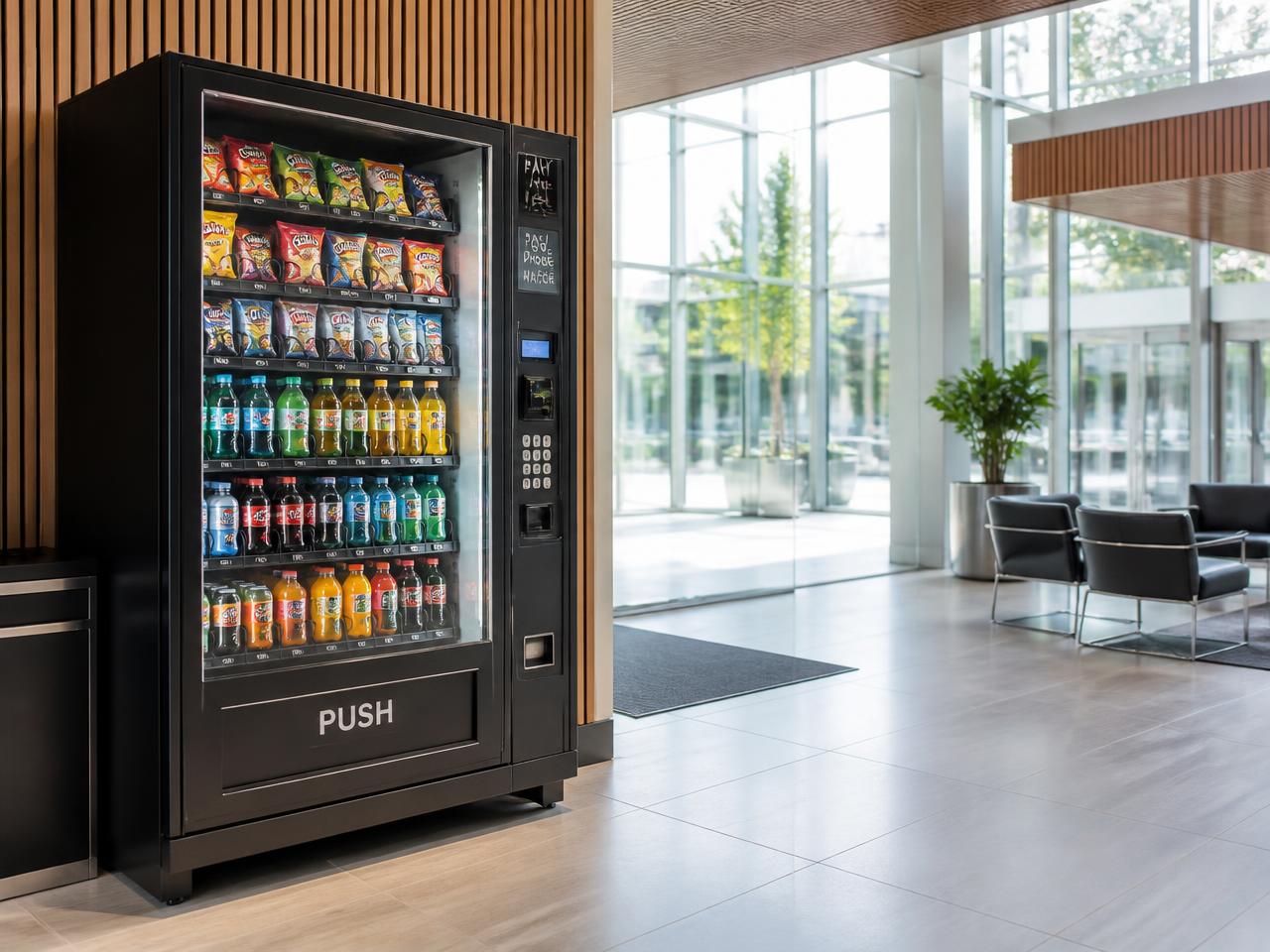
Combination snack and drink vending machine installed in an Australian office breakout area
Combination machines carry both snack and refrigerated drink stock, so they touch liability, machine and stock cover at once.

Cover types, limits, excesses and indicative premiums

Each block below is a section you can hold on a vending operator's business insurance program. Most operators start with public and product liability because a site will not let them install without a certificate, then add machine and stock cover as the fleet grows.

Public liability

Covers your legal liability for injury to a member of the public or damage to someone else's property arising from your vending operation — a machine that tips, a leak that damages a floor, a customer hurt while your restocker has the door open, or damage caused during installation.

Typical limits
$5 million, $10 million or $20 million any one occurrence. Most Australian landlords, shopping centres, schools, gyms and workshops require $10 million or $20 million before they will sign a placement agreement.
Typical excess
Typically $500 to $2,500 per claim for a small to mid-size route.
Indicative premium
Indicative $450 – $1,400 a year for owner-operator routes; larger fleets and higher turnover move above that.

Conditions that matter on this section

  • The insured entity name on the policy must match the entity named in your site agreements.
  • Machines must be installed and maintained in line with the manufacturer's instructions, including anti-tip and securing requirements.
  • You must notify the insurer of a claim or a potential claim promptly, not at renewal.
  • Declared turnover must be kept accurate — under-declaring is the most common reason a claim is reduced.

Commonly excluded

  • Damage to your own machines (that is machine and equipment cover).
  • Injury to your own employees (that is workers compensation, arranged separately in each state).
  • Deliberate or reckless acts, and known defects you failed to fix.
  • Contractual liability you have taken on beyond what the policy allows.
Get a written price for public liability

Product liability

Covers your legal liability where a product sold through your machine causes injury or illness — contaminated or expired stock, a foreign object in a snack, a scalding from a hot beverage unit, or a recalled line you had not pulled.

Typical limits
Usually issued to the same limit as public liability, often combined as one 'public and product liability' limit.
Typical excess
Commonly the same excess as the public liability section.
Indicative premium
Usually bundled with public liability at little or no extra cost; standalone pricing is rare.

Conditions that matter on this section

  • Stock rotation and date checks need to be genuinely performed — insurers ask about your process after a claim.
  • Refrigerated and hot units must be maintained and within safe temperature ranges.
  • Keep supplier records so a claim can be passed up the chain where the fault is the manufacturer's.

Commonly excluded

  • Product recall costs themselves, unless a recall extension is bought.
  • Loss of the stock (that is stock cover), as opposed to liability for harm it caused.
  • Products you knew were unsafe or out of date at the time of sale.
Get a written price for product liability

Machine & equipment cover

Covers physical loss or damage to the machines: theft, attempted theft, vandalism, malicious damage, fire, storm and impact. This is the cover finance companies look for when a machine is leased or under a chattel mortgage.

Typical limits
Declared new-replacement value of the fleet, or scheduled per machine. Sub-limits often apply to unattended and street-front locations.
Typical excess
Typically $250 to $1,000 per machine claim; higher for street-front or 24/7 unattended sites.
Indicative premium
Indicative $25 – $70 per machine a year, depending on machine type, value and site profile.

Conditions that matter on this section

  • Declare new-replacement values, not written-down book values, or a claim can be reduced for under-insurance.
  • Machines must be secured as the insurer requires — bolting, anchoring or locked enclosures at some sites.
  • Report theft and vandalism to police and provide the report number.
  • Name the financier where a lease or finance contract requires it.

Commonly excluded

  • Wear, tear, gradual deterioration and mechanical or electrical breakdown, unless a breakdown extension is added.
  • Money left in the machine beyond any small cash sub-limit.
  • Damage while in transit, unless transit cover is included.
  • Unexplained shortages without evidence of forced entry.
Get a written price for machine & equipment cover

Stock & contents

Covers the stock inside the machines and in your storeroom against theft and damage, and — where a spoilage extension applies — stock lost when a refrigerated unit fails or power is interrupted.

Typical limits
A declared stock figure, often $2,000 to $20,000 depending on route size, with spoilage sub-limits.
Typical excess
Usually $250 to $500, with a separate spoilage excess in some wordings.
Indicative premium
Indicative $150 – $600 a year for routes carrying modest stock levels.

Conditions that matter on this section

  • Declare realistic average stock at risk, including your storeroom.
  • Keep temperature and service records for refrigerated and frozen units if you want spoilage claims paid.

Commonly excluded

  • Shortages from shrinkage or unrecorded consumption.
  • Stock past its use-by date at the time of loss.
  • Spoilage where a fridge fault was known and not repaired.
Get a written price for stock & contents

Transit & tools

Covers machines, stock and tools while in your vehicle or being moved between sites — the exposure most operators forget until a machine is damaged on a tailgate.

Typical limits
A per-load limit, commonly $5,000 to $50,000, plus a tools of trade figure.
Typical excess
Typically $500 per transit claim.
Indicative premium
Indicative $200 – $700 a year, on top of your commercial vehicle policy.

Conditions that matter on this section

  • Loads must be properly restrained; unsecured loads are a common declined-claim reason.
  • Vehicle left unattended usually needs to be locked and, at night, in a secured area.

Commonly excluded

  • Damage to the vehicle itself (that sits with your motor policy).
  • Loss from an unlocked or unattended vehicle in breach of the policy condition.
Get a written price for transit & tools

Business interruption (optional)

Covers lost gross profit when an insured event stops the route earning — a fire in your storeroom, or a large-scale loss of machines.

Typical limits
Usually an indemnity period of 12 months on a declared gross profit figure.
Typical excess
Often a time excess of 24 to 72 hours instead of a dollar excess.
Indicative premium
Indicative $300 – $1,200 a year, and only worth pricing once the route is your main income.

Conditions that matter on this section

  • Financial records must support the declared gross profit figure.
  • The interruption must follow a loss covered under another section of the policy.

Commonly excluded

  • Losing a site because a contract ended or was not renewed.
  • Downturns unrelated to an insured physical loss.
Get a written price for business interruption (optional)

What a whole program tends to cost by operator size

Operators rarely buy one section on its own. These three profiles show the kind of total annual spend we see for a complete program, again as indicative ranges only.

Operator profileIndicative total
Start-up, 1 – 3 machinesSnack or drink units in one or two offices, turnover under $75k, $20m liability limit required by the site.Indicative $500 – $900 a year all up
Growing route, 6 – 20 machinesMixed snack, drink and one or two coffee units across offices and a gym, turnover $250k – $1m, machines declared at replacement value.Indicative $1,100 – $2,400 a year all up
Established fleet, 50 – 200 machinesMulti-state route with refrigerated and fresh food units, restockers employed, financed equipment, transit and stock cover included.Indicative $3,500 – $9,000+ a year, priced individually

Workers compensation is arranged separately through each state's scheme and is not included in these totals.

What moves your price up or down

  • Annual turnover — the single biggest driver of the liability premium, far more than the limit you choose.
  • Machine count and declared new-replacement value of the fleet.
  • Machine mix — hot beverage, refrigerated and fresh food units rate above sealed snack machines.
  • Site profile — secured office buildings rate below unattended 24/7 street-front placements.
  • States and territories you operate in, and how spread out the route is.
  • Claims history over the last three to five years.
  • The excess you accept — a higher excess usually lowers the premium.
  • Whether you employ restockers, which brings workers compensation into the picture in each state.
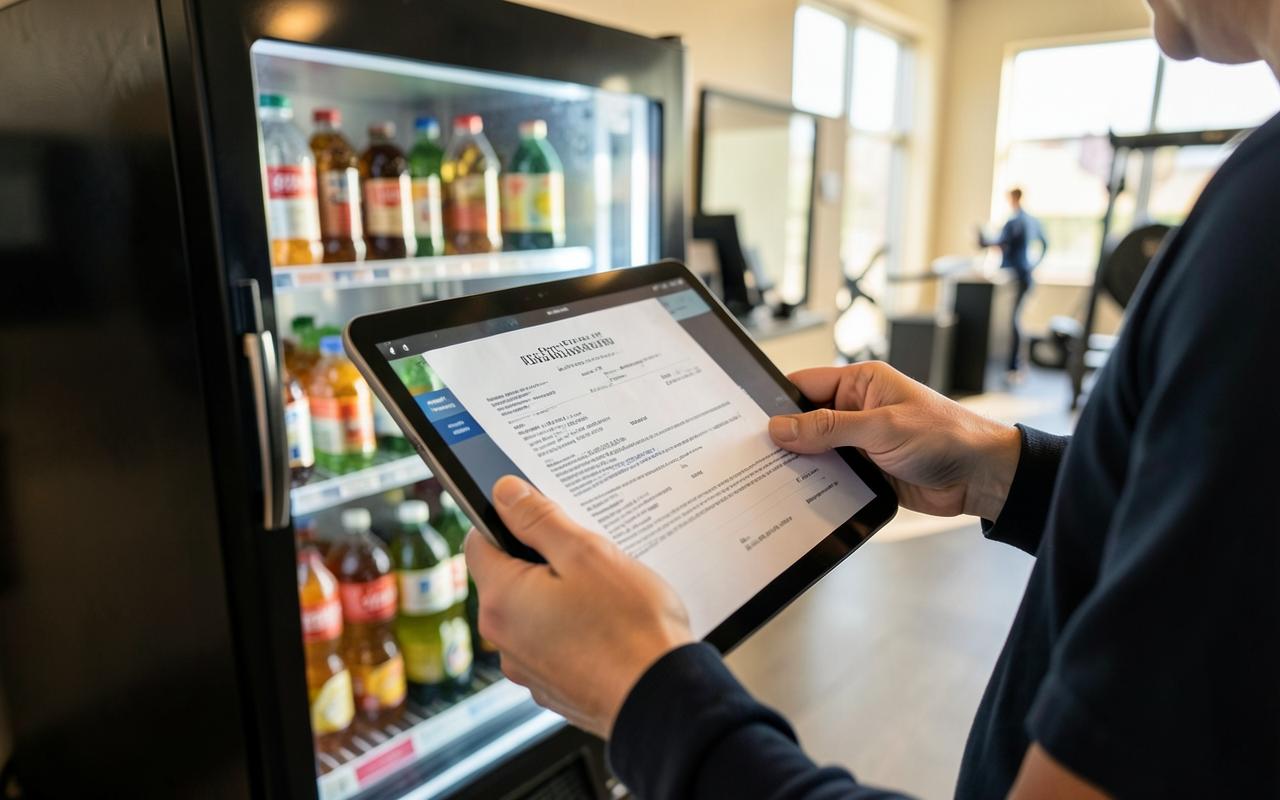
Vending operator handing a certificate of currency to a gym site manager
The certificate of currency is what site owners actually ask for — the limit shown on it is set by the policy you bind, not by the site.

How to turn these ranges into a real price

Complete the short assessment on this site with your turnover, machine count and mix, required liability limit and fleet replacement value. Your details go to our licensed partner, BizCover, who can compare Australian business insurers, put a real premium in writing, bind the cover and issue your certificate of currency. We are a referral partner and may receive a referral fee; we do not issue policies and do not provide personal financial or insurance advice.

Prefer to talk it through? Call 0412 025 552.

Pricing questions operators ask

Why can't you show me one fixed price for vending machine insurance?

Because premiums are rated individually. Two operators with the same number of machines can be quoted very differently once turnover, machine values, machine mix, site types and claims history are assessed. We are a referral partner, not the insurer, so the only accurate figure is the one a licensed provider quotes you in writing after that assessment.

How accurate are the indicative ranges on this page?

They reflect what we typically see quoted in the Australian market for vending operators, and they are useful for budgeting. They are not quotes and insurers reprice without notice, so treat them as a ballpark and get a written quote before you commit.

What liability limit should I budget for?

Most Australian site owners ask for $10 million or $20 million public liability. Holding $20 million from the start usually costs only a little more, because liability pricing is driven mainly by turnover rather than the limit, and it saves re-issuing certificates when a bigger site asks for the higher figure.

Is the premium tax deductible?

Business insurance premiums are generally deductible where the cover relates to earning your business income, but that depends on your circumstances. Confirm the treatment with your accountant — we do not provide tax advice.

How quickly can I get a real price and a certificate?

Complete the short assessment on this site and your details go to our licensed partner, BizCover, who can compare Australian business insurers, bind cover and issue your certificate of currency — often the same day. You can also call 0412 025 552 if you would rather talk it through.

More answers on certificates, limits and claims are in our vending machine insurance FAQ hub.